Unfailing in harsh weather conditions, indispensable while hiking and enjoying your favourite outdoor activities – a shell layer in clothing. What is it, and how does it work? Let us explain it step by step.
-
Membrane clothing – a brief history of innovation
-
A waterproof membrane in clothing – what is it? Let us explain
-
How does the waterproof membrane work in clothing? Let us explain
-
Types of waterproof membranes in sportswear. Which waterproof membrane type should I choose?
-
What kind of waterproof membrane should a ski jacket have?
-
Waterproof membrane is a thin, resilient, semi-permeable layer that wicks away sweat while keeping water and wind out.
-
Waterproof membrane is used in a variety of outdoor clothing, such as jackets, pants, and gloves, to help people stay dry and comfortable in harsh weather conditions.
-
There are two main types of waterproof membranes: microporous and nonporous. Microporous membranes have tiny holes that allow water vapor to pass through, but not liquid water. Nonporous membranes use a variety of technologies to repel water, such as chemical coatings or physical barriers.
-
Waterproof shell clothing is great for hiking, skiing, snowboarding, and other outdoor activities in harsh weather conditions. It can help protect people from rain, snow, wind, and cold temperatures.
Membrane clothing – a brief history of innovation
Until the 1970s, waterproof fabrics provided protection against rain and cold. Although they stood out thanks to their waterproofness, they were not air permeable and caused great discomfort by overheating the body. The breakthrough in clothing manufacturing came with the invention of the Gore-tex membrane, which is a Teflon film with micro holes. This structure allowed the fabric to provide a barrier against rain and snow while also ensuring optimal breathability. The innovative technology developed for military purposes proved to be just the beginning. Over time, polyester and polyurethane membranes have appeared on the market, all of which have one thing in common: functionality that is appreciated by both sportswear manufacturers and enthusiasts of various sports.
A waterproof membrane in clothing – what is it? Let us explain
What is a waterproof membrane in clothing? It’s a thin, resilient, semi-permeable layer that wicks away sweat while keeping water and wind out. As a rule, it is applied to the fabric from the inside, so you can’t see it, but it does its job. This solution is often used in sports and hiking garments. A shell jacket is an indispensable piece of equipment for mountain hiking, skiing or snowboarding, but it will also work well in the city when it rains or snows.

How does the waterproof membrane work in clothing? Let us explain
Due to the way it works, shell fabrics in clothing are divided into microporous and nonporous. The former have tiny funnel-shaped channels that allow water vapour (sweat) to pass through, but provide a tight protective barrier for raindrops or snowflakes. This design allows microporous membranes provide protection against water and wind while being breathable and keeping moisture away from the skin.
Non-porous membranes work differently. Utilising absorption and diffusion, they first absorb water vapour and then wick it away. They also have the advantage of being resistant to mechanical damage and dirt. As a result, they are often used in winter or hiking shoes.
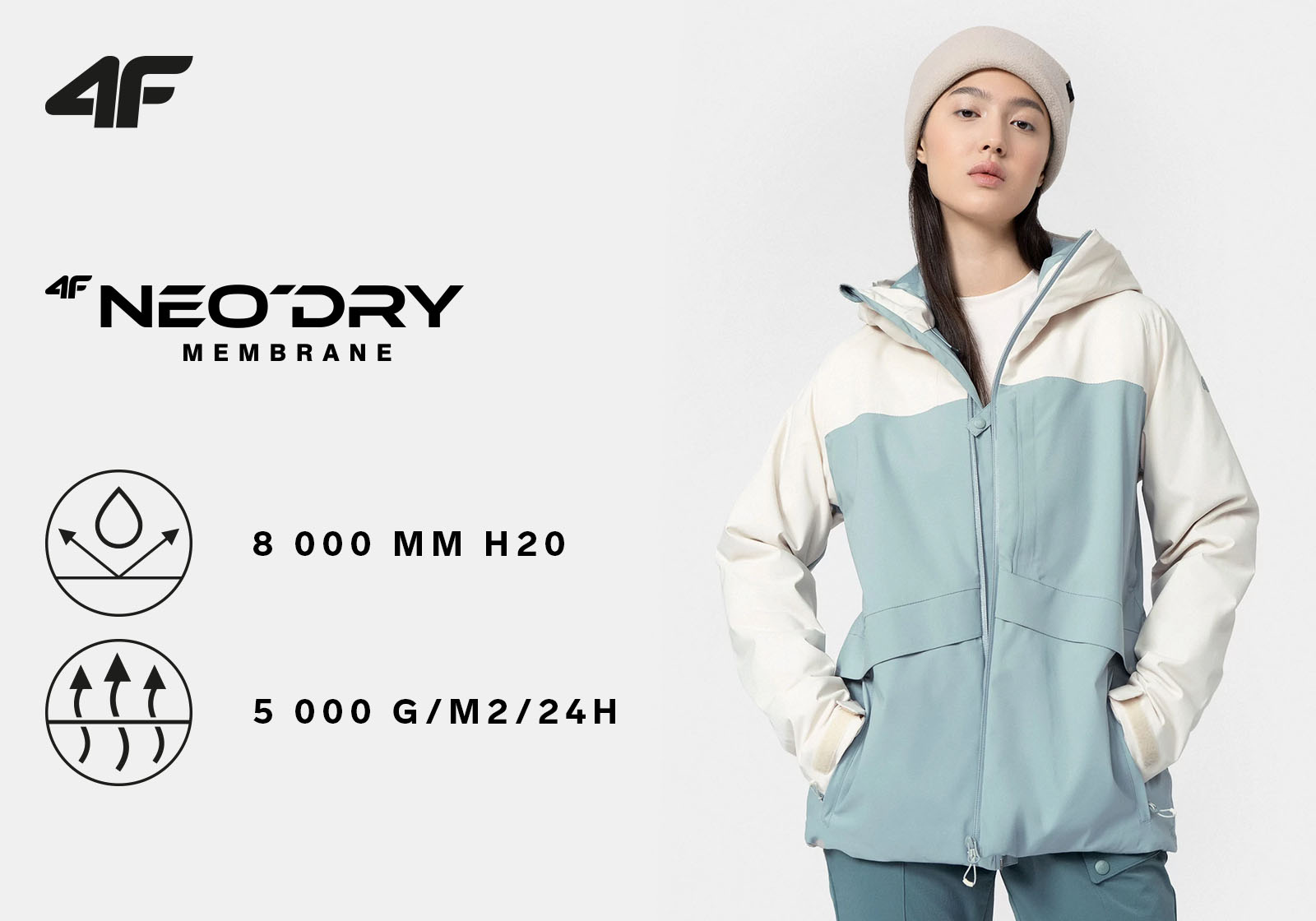
Types of waterproof membranes in sportswear. Which waterproof membrane type should I choose?
Thanks to the unique properties of shell fabrics, they’re widely used in the production of sports and hiking clothes. Jackets, trousers, boots or softshell jackets work great in rain or snow, in gusty winds and low air temperatures. Such clothes work great on the slopes, mountain trails, but also in the urban jungle. Whether you’re running, biking or hiking, shell clothing will be a fail-proof base of clothing in harsh weather conditions. When choosing the right one, however, it is useful to know the basic parameters.

Waterproofness rating is crucial. The higher the parameter, the greater the waterproofness of the material. Hence:
-
3,000 mm waterproofness rating – protects against light drizzle and wind. It will work well for leisurely walks and Nordic walking.
-
5,000 waterproofness rating – will provide adequate protection in moderate rainfall and lower temperatures. It is a good choice for bike trips and runs.
-
10,000 waterproofness rating – will not get soaked through in moderate precipitation and will effectively protect against cold and gusty wind. It will work perfectly during hiking and while skiing or snowboarding in good weather.
-
15,000 waterproofness rating – provides high protection against heavy snow and rainfall. Clothes with such shell layer will come in handy during intense mountain hikes, as well as dynamic skiing and snowboarding in challenging conditions.
-
20,000 waterproofness rating – guarantees the best protection against heavy precipitation, low temperatures, and wind. It is most often used in professional sportswear designed for intense activities in extreme weather conditions. It works well in the case of ski, snowboard, or hiking clothes.

What kind of waterproof membrane should a ski jacket have?
A ski or snowboard jacket should first of all be appropriate given one’s riding style and skills. Depending on whether you spend the entire day on the slope or just a few hours, ride in a relaxed or dynamic way, on piste or off piste, as well as your personal predispositions (see: whether you sweat a lot, for example), choose a jacket with the right membrane. For winter sports jackets, the membrane rating should start at 5,000 – the outfit is not only supposed to protect you from falling snow, but also during falls and rests, e.g. when you sit on wet ground and water is ‘pressed’ into the fabric. Membranes with the 8,000-10,000 rating will perform well on the slopes in good weather conditions. However, if you know you'll be skiing or snowboarding in worse weather, in a resort or during a month that’s known for heavy snowfall and where the wind is strong, the membranes with the 15,000-20,000 rating would be a much better choice. This includes those skiers and snowboarders who regularly ride off-piste, in deep pow, thus needing advanced protection.
Additional pro tip: when it comes to ski clothing, in addition to a waterproof membrane, it is also important to use the right waterproofing products. Ski and snowboard jackets should have a DWR (durable water repellency) finish – a type of permanent waterproofing that prevents the outer material from absorbing moisture.

Planning a mountain trip in the autumn? Maybe you’re planning to hit the slopes during peak season? Or perhaps you are looking for a warm and waterproof urban jacket? Waterproof shell clothing will be a perfect option. You can find top quality jackets, trousers or softshell jackets at 4F. They provide thermal comfort, do not get wet and wick away sweat. This makes them great for taking up your next sports challenge, regardless of the conditions outside!


)
)
)
)
)
)
)
)
)
)
)
)
)
)
)
)
)
)
)
)
)
)
)
)
)
)
)
)
)
)
)
)
)
)
)
)
)
)
)


