This form of physical activity dates back to the times of ancient India. Today, yoga is popular not only as an ideal form of meditation and relaxation, so also the improvement of the overall mood, but especially as a sport that improves tissue flexibility and motor coordination, and strengthens the whole body! It is also a form of activity that can be practiced all year round – after all, exercising yoga alone at home can have the same effects as in an organized group. When questions arise about the types of yoga, it turns out that the matter is not as simple as it might seem. So, what kind of yoga should you choose to achieve your desired goal? You will learn it all from this article!
-
Types of yoga
-
What are the benefits of yoga?
-
Yoga in the past and today
-
What type of yoga to choose?
-
Yoga – what do you need?
-
Different types of yoga for different goals: There are many different types of yoga, each with its own focus. Some types of yoga are more physically demanding, while others are more focused on relaxation and meditation. When choosing a type of yoga, it is important to consider your fitness level and goals.
-
Benefits of yoga: Yoga has many benefits for both the body and mind. It can improve flexibility, strength, balance, and coordination. Yoga can also help to reduce stress, improve sleep quality, and boost mood.
-
Some of the most popular types of yoga include:
• Hatha yoga: A general term for any type of yoga that focuses on physical postures.
• Ashtanga yoga: A dynamic and physically demanding type of yoga.
• Vinyasa yoga: A flowing and breath-centered type of yoga.
• Iyengar yoga: A precise and alignment-focused type of yoga.
• Yin yoga: A slow-paced and meditative type of yoga.
• Kundalini yoga: A type of yoga that focuses on energy and spirituality.
• Bikram yoga: A type of yoga practiced in a hot and humid environment.
• Power yoga: A vigorous and athletic type of yoga.
• Air yoga: A type of yoga practiced using a hammock.
-
Yoga accessories: There are a variety of yoga accessories available, such as blocks, rollers, and scarves. These accessories can help to enhance your yoga practice and make it more accessible.
-
What to wear for yoga: Comfortable and breathable clothing is ideal for yoga. Leggings or loose pants and a yoga sweatshirt are good options.
-
Yoga for beginners: If you are new to yoga, it is important to start with a beginner class. This will help you to learn the basics of yoga and avoid injury.
Types of yoga:
What are the benefits of yoga?
The basis for a successful yoga session is the right breathing. Yoga as an appropriate form of meditation can be an important part of training different sports. Conscious body oxygenation will ensure better circulation and breathing system performance, as well as increased focus. Yoga will also have a positive impact on the overall mood and will provide a feeling of relaxation, followed by inner peace, as a result of reducing the stress accumulated in the body. Individual asanas (body positions) cause specific muscles and tendons to stretch, resulting in an improved body shape in the long term. In addition, increased elasticity affects not only body flexibility, but also its overall strength. As you know, a well stretched muscle means a stronger muscle!

Yoga in the past and today
Modern yoga originates from ancient Indian mystical practices, which aimed to “stop the mind” and focus fully on the present moment. In the traditional sense, therefore, the spiritual aspect of the exercises was most essential in yoga. Its practice was part of a life philosophy – the bodily dimension of the exercises was to help unite the spirit and the body. Particularly in the case of the oldest divisions and varieties of yoga, the emphasis placed on the spiritual aspect of individual practices is evident:
-
Jnana yoga – the yoga of knowledge; implies an individual practice that is supposed to lead to finding the truth about life, the world and God,
-
Bhakti yoga – the yoga of devotion; implies devotion to the love of God and inner union with God,
-
Karma yoga – the yoga of action; practices to help self-purification and serving living beings,
-
Kriya yoga – the yoga of techniques; involves movement, process and action.
Today, breath still plays a key role in the practice of yoga, but much more attention is usually paid to the physical dimension of yoga. Today's yoga is, therefore, an activity that positively influences not only the body but also the cardiorespiratory system and, as a result, the human psyche. Familiarising yourself with its main variations will enable you to choose the practice that best suits your individual needs!

What type of yoga to choose?
When deciding to attend regular yoga classes in an organized group, under an instructor's supervision, we usually also choose one “school” of yoga. It is worth to know what are the features of each of them. All the more so if you want to start to practice yoga on your own – knowing the most important types will help you select the school of yoga that is right for you and enjoy the full range of options it offers.
Hatha Yoga
☑️ For whom? For people of all ages and genders, especially those who have never practiced yoga.
☑️ Features: Hatha yoga is a broad term, which refers to varieties of yoga based on asanas or asanas and pranayama – specific breathing practices. Hatha yoga, unlike the classical yoga, is not focused on the philosophical sphere but on physical practice, which aims to overcome corporal constraints and strengthen the body. Hatha yoga at home, if practiced consciously and skillfully, can give the same effects as in a class under the supervision of a teacher.
Ashtanga Yoga
☑️ For whom? For people who are advanced, enjoy dynamic exercises and physical challenges.
☑️ Features: A dynamic version of yoga, where great importance is attached to body stretching and smooth, uninterrupted movement. Through repetitive asana sequences, you strive to calm your mind and your imagination that works frantically every day. The Ashtanga practice is based on specific principles, and its individual sessions are always identical – the goal is to achieve perfection through multiple repetitions and find your pace and rhythm.
Vinyasa Yoga
☑️ For whom? For beginners and those who value a variety of exercises and focus on breathing.
☑️ Features: A yoga style that combines motion and breathing; a variety that is less physically demanding than Ashtanga yoga. The practice also involves a smooth transition to individual asanas, but the most important thing here is breathing, which affects the body's other vital functions. The variability and diversity of asanas in this type of yoga is meant to reflect the unpredictability of situations in life and thus make the yogis aware of how they will face them. This variety can also be a great type of yoga for stress.

Iyengar Yoga
☑️ For whom? For beginners and those who want to increase their endurance and find a balance.
☑️ Features: In this school of yoga, the precision and attention to detail when performing individual asanas are what matters. Their careful execution and, very often, holding poses for a long period are aimed at achieving balance and strengthening the body. Besides the mat, during Iyengar yoga additional accessories are used, for example blocks, straps or blankets, making it a yoga form dedicated also to the beginners.
Yin Yoga
☑️ For whom? For those who enjoy static effort and intense stretching, and for those looking for inner harmony.
☑️ Features: A modern form of yoga created in the 20th century; the practice of this variety is based on the philosophy of Tao, according to which the nature of the world is defined by two opposite and complementary energies, yin and yang. The aim of the exercise is not only to achieve a balance between these two types of energy: the philosophy also applies directly to the body and assigns the relevant tissues, and thus, specific exercises to the given type of energy. As in Iyengar yoga, it is important to hold one pose for as long as even 5 minutes.
Kundalini Yoga
☑️ For whom? For those seeking silence and spiritual cleansing.
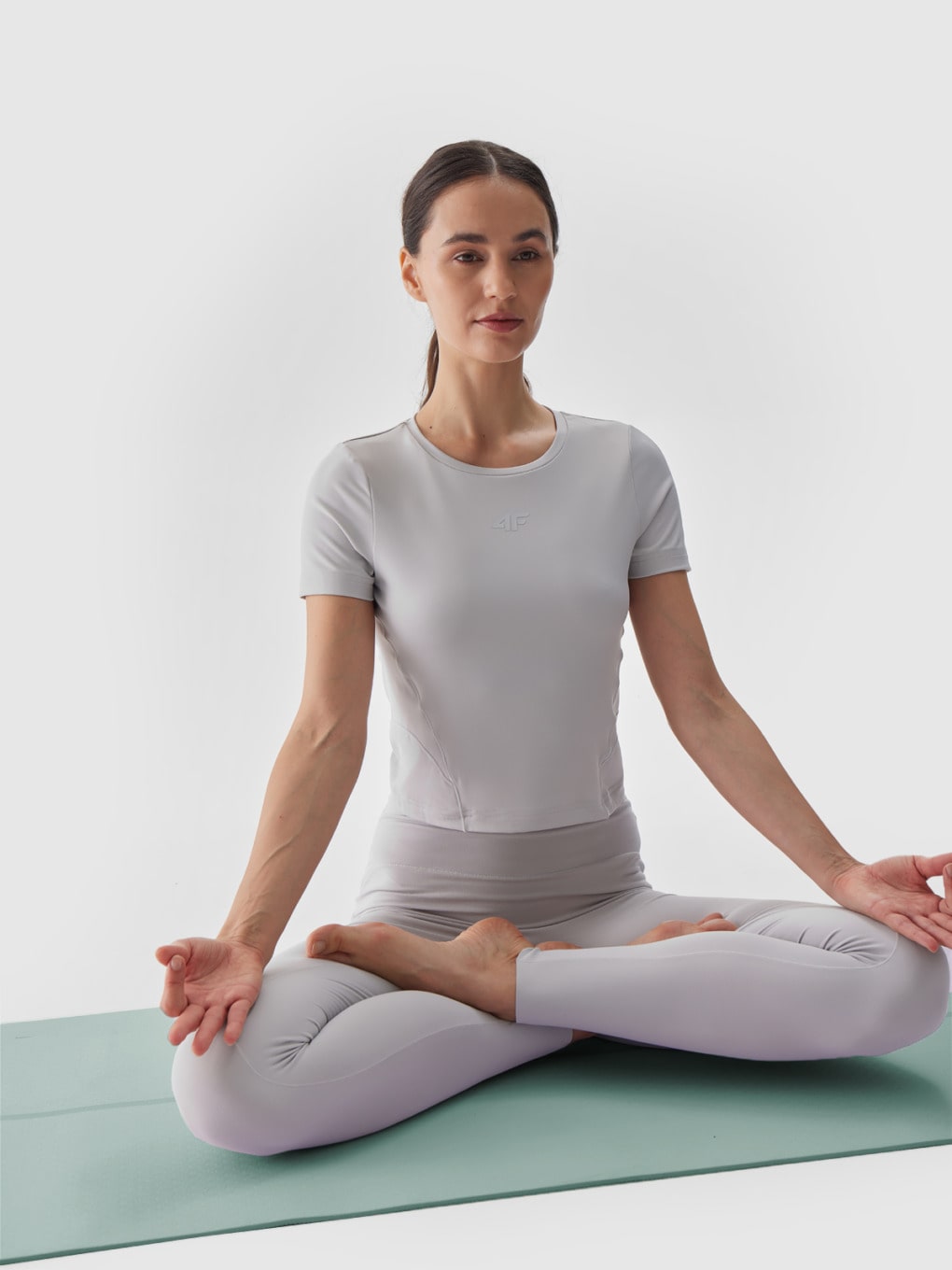
☑️ Features: Known as the yoga of consciousness; its practice is intended to clean the body from bad emotions, which is why it is most often practiced alone. In addition to breathing exercises, the Kundalini practice also uses mantra (repetitive singing) to stimulate specific emotions and mudras – positions of arms, hands and fingers.



)
)
)
)
)

)
)
)


)
)
)
)
)
)
)
)
)
)
)
)
)
)
)
)
)
)
)
)
)
)
)
)
)
)
)
)
)
)
)
)
)
)
)
)


